

A breast reduction size chart is crucial for planning your surgery.
It guides surgeons in deciding how much breast tissue to remove based on your body measurements.
This helps ensure that insurance companies will cover the procedure.
In this post, you’ll learn how this chart is used and why it’s important.
Key Takeaways
- The breast reduction size chart is a crucial tool for determining the necessary amount of breast tissue to be removed in order for insurance to cover the procedure.
- The Schnur Sliding Scale correlates body surface area with the required amount of breast tissue removal and is used to establish eligibility criteria for insurance coverage of the procedure.
- In addition, accurate measurement and documentation of physical symptoms related to breast size are essential for qualifying for breast reduction surgery and for navigating insurance claims effectively.

Book Your Appointment
With Dr. Rovelo, a top plastic surgeon in Beverly Hills
What is a Breast Reduction Size Chart?
The breast reduction size chart is an essential tool used by insurance companies to determine how much breast tissue should be removed during breast reduction surgery.
It aids in identifying the amount of tissue that needs to be removed to alleviate physical discomfort caused by overly large breasts.
Doctors use this chart to estimate surgical outcomes and plan treatments, ensuring the procedure aligns with the patient’s needs and expectations.
It is very important to note that this discussion mainly applies to patients who are trying to have their reduction approved by insurance.
If insurance will not be covering the procedure, then the Shnur Sliding Scale acts more as a reference and not a strict requirement.
This allows the patient and the surgeon to have more flexibility in determining the final size and shape of the breasts, without the need to meet a certain amount of breast tissue removal.
One of the primary functions of the breast reduction size chart is to evaluate whether a patient qualifies for surgery by comparing their body surface area (BSA) with the expected amount of breast tissue removal.
This comparison helps to distinguish between cosmetic and medically necessary procedures, providing a clear guideline for both patients and healthcare providers.
The chart reflects historical trends in breast reduction, highlighting the evolution of criteria used to determine medical necessity versus cosmetic preference.
For those with excessively large breasts, the size chart becomes a beacon of hope, offering a structured approach to assess eligibility for surgery.
The goal is not only to remove breast tissue but to achieve a balanced and proportional body size, alleviating physical strain and discomfort.
Knowing the amount of breast tissue required by insurance to be removed is crucial for meeting reduction requirements and ensuring successful results.
In essence, the breast reduction size chart is a roadmap that guides patients and doctors through the complex decision-making process associated with reduction mammoplasty.
It ensures that each procedure is tailored to the individual’s unique body size and breast volume, ultimately aiming to improve the quality of life for those burdened by heavy breasts.
The Schnur Sliding Scale: A Key Component
The Schnur Sliding Scale is a pivotal evaluation method in the realm of breast reduction surgery.
Developed by Dr. Paul Schnur in 1991, this scale correlates a patient’s body surface area (BSA) with the amount of breast tissue that needs to be removed to justify the procedure as medically necessary.
The Schnur Scale correlates BSA with the amount of breast tissue required for removal, offering a standardized method for determining surgical eligibility.
The primary purpose of the Schnur Sliding Scale is to assess medical necessity by establishing a minimum threshold of breast tissue removal based on BSA.
If the calculated amount of breast tissue to be removed (based on BSA) falls below the 22nd percentile, the procedure is generally considered cosmetic rather than medically necessary.
This distinction is crucial for insurance coverage, as most insurance companies rely on the Schnur Scale to determine if the surgery qualifies for coverage.
That being said, some insurance companies do not use the Schnur Sliding Scale and instead have an internally generated scale that requires removal of more tissue than the standard Shnur Sliding Scale.
Using the Mosteller formula, the Schnur Scale calculates the BSA by taking into account the patient’s height and body weight.
This calculated BSA is then used to guide decisions on the amount of breast tissue to be excised.
However, it is important to note that the Schnur Scale may not fully account for individual symptoms or unique person’s body types, and some concerns have been raised about its limitations in reflecting genuine medical conditions needs.
Despite these limitations, the Schnur Sliding Scale chart remains a widely used tool in the evaluation of breast reduction surgery.
It provides clear guidelines for both patients and surgeons, ensuring that the decision to undergo surgery is based on objective criteria.
Understanding and using the Schnur Scale helps patients navigate breast reduction requirements more effectively and achieve better results.
How to Use the Breast Reduction Size Chart
Using the breast reduction size chart effectively involves:
- Determining the appropriate amount of tissue to be removed during surgery (in order to be covered by insurance).
- Taking accurate measurements of the patient’s body surface area (BSA) and breast tissue weight.
- Consulting with an expert care coordinator to help navigate the calculations and ensure all factors are considered.
The following subsections will delve into the specifics of measuring BSA and calculating the required tissue removal.
Measuring Body Surface Area (BSA)
Body Surface Area (BSA) is a critical metric in evaluating breast reduction needs.
Calculated using a formula that incorporates height and weight, BSA provides a key indicator of how much breast tissue should be removed to achieve the desired results.
The Mosteller formula, which is commonly used for this calculation, ensures that the measurements are accurate and reliable, taking into account the patient’s body surface area.
To use the breast reduction size chart effectively, patients must follow a systematic approach to measuring their body dimensions:
- Take accurate measurements of their height.
- Take accurate measurements of their weight.
- Use these measurements to calculate the Body Surface Area (BSA).
The accuracy of these measurements is paramount, as even small errors can lead to incorrect estimations of the necessary tissue removal.
Once the BSA is calculated, it can be used in conjunction with the Schnur Sliding Scale to estimate the amount of breast tissue that needs to be excised.
This correlation between BSA and average tissue weight provides a structured framework for planning breast reduction surgery, ensuring that the procedure meets both medical and cosmetic requirements.
Calculating Required Tissue Removal

Calculating the required tissue removal is a crucial step in preparing for breast reduction surgery.
The BSA calculation directly influences the estimation of how much breast tissue needs to be removed, making it a vital component of the decision-making process.
The breast reduction weight calculator provides patients with accurate estimates based on their height and weight.
It is important to note that these estimates are for determination of insurance coverage only, and do not necessarily apply to the final aesthetic appearance.
The calculator provides a minimum fatty tissue weight that must be removed to meet the criteria for medical necessity, as outlined by the Schnur Sliding Scale.
This ensures that the procedure is justified for alleviating physical discomfort and improving quality of life.
Accurate data entry is essential for reliable estimates, as it ensures that the calculations reflect the patient’s true body metrics.
Understanding how much breast tissue needs to be removed is fundamental for achieving successful breast reduction results.
By accurately calculating the required tissue removal, patients and surgeons can plan the surgery more effectively, ensuring that it meets all necessary requirements and provides the desired outcomes.
Factors Influencing Breast Reduction Eligibility
Several factors influence a patient’s eligibility for breast reduction surgery, as well as the technique such as the lollipop breast reduction.
These include physical symptoms and discomfort caused by overly large breasts, as well as the patient’s medical history and overall health considerations.
Evaluating these factors helps to determine whether the surgery is medically necessary or primarily cosmetic.
Although in reality, a breast reduction surgery is usually a combination of both factors.
However, each person’s body is different, and a personalized assessment is crucial for determining eligibility.
The following subsections will explore the specific physical symptoms and medical history considerations that influence breast reduction eligibility, including the importance of a physical examination.
Physical Symptoms and Discomfort
Physical symptoms and discomfort are common reasons for seeking breast reduction surgery.
Women with excessively large breasts often experience neck, shoulder, and back pain, as well as grooves in their shoulders from bra straps and skin irritation beneath the breast fold.
These symptoms can lead to poor posture, difficulty performing physical activities, and a significant impact on overall quality of life.
Breast reduction surgery aims to alleviate these physical discomforts and enhance the patient’s well-being.
Significant relief from pain and improved mobility can be achieved through the removal of excess breast tissue.
Physical therapists and healthcare providers play a crucial role in documenting these symptoms, providing evidence that can support the case for surgery.
Patients often express their struggles with physical discomfort and the limitations it imposes on their daily lives.
A therapeutic breast reduction can significantly improve these symptoms.
This transformation not only improves physical health but also enhances emotional and psychological well-being.
Medical History and Health Considerations
A thorough review of medical history is essential for assessing potential risks and complications associated with breast reduction surgery.
Expert breast surgeons, like Dr. Rovelo, evaluate the patient’s condition to determine if breast reduction surgery will resolve their issues, ensuring that the procedure is justified for medical and/or cosmetic reasons.
For women aged 35 years and older, a negative mammogram for cancer within 1 year prior to surgery is required to ensure patient safety.
Patients with previously irradiated breasts must be carefully selected, as they have higher potential complications associated with surgery.
Surgeons may also recommend weight loss if excess weight significantly contributes to breast size, as this can influence eligibility for surgery.
Non-surgical measures, such as wearing supportive bras and trying physiotherapy, may be recommended before considering surgery.
Healthcare providers, including chiropractors, can assist in documenting chronic back neck and shoulder pain, further supporting the case for breast reduction surgery.
These nonsurgical interventions are frequently not sufficient to provide sustained and permanent relief, but they can provide temporary symptom relief.
A thorough review of medical history and health aspects ensures the procedure’s safety and effectiveness for the patient.
Insurance Coverage and Medical Necessity
Insurance coverage for breast reduction surgery often hinges on demonstrating medical necessity.
The breast reduction size chart and Schnur Sliding Scale are critical tools in this process, helping surgeons estimate the volume of breast tissue that needs to be excised to meet medical necessity criteria.
Insurance companies rely on these tools to determine if the procedure qualifies for breast reduction coverage, distinguishing between cosmetic and medically necessary operations.
To qualify for insurance approval, patients must typically demonstrate significant physical symptoms and a specific amount of tissue removal based on the Shnur Sliding Scale.
The following subsections will explore how documenting symptoms and navigating insurance policies can help secure coverage for breast reduction surgery.
Documenting Symptoms for Insurance Approval
Documenting physical symptoms related to breast size is crucial for strengthening the case for insurance coverage.
Records from primary care physicians, chiropractors, and physical therapists can provide valuable evidence of the physical discomfort and limitations caused by overly large breasts.
This documentation helps to demonstrate the medical necessity of the procedure, increasing the likelihood of insurance approval.
Patients should ensure that all relevant symptoms and their impact on daily life are thoroughly documented.
This comprehensive evidence can make a compelling case for the insurance company, highlighting the need for breast reduction surgery as a medically necessary procedure.
Navigating Insurance Policies
Navigating the insurance policies for breast reduction surgery can be complex due to varying stipulations across different insurance companies.
Patients are advised to seek assistance from practices experienced in dealing with insurance claims for breast reduction surgeries.
These practices can offer valuable insights into maximizing coverage and ensuring that all necessary documentation is submitted correctly.
Understanding the specific requirements of the patient’s insurance company is critical for securing coverage.
Patients should review their policies carefully and work with their healthcare providers to meet all criteria for a medically necessary procedure.
This proactive approach can help streamline the approval process and alleviate some of the stress associated with navigating insurance claims.
The Breast Reduction Procedure: What to Expect
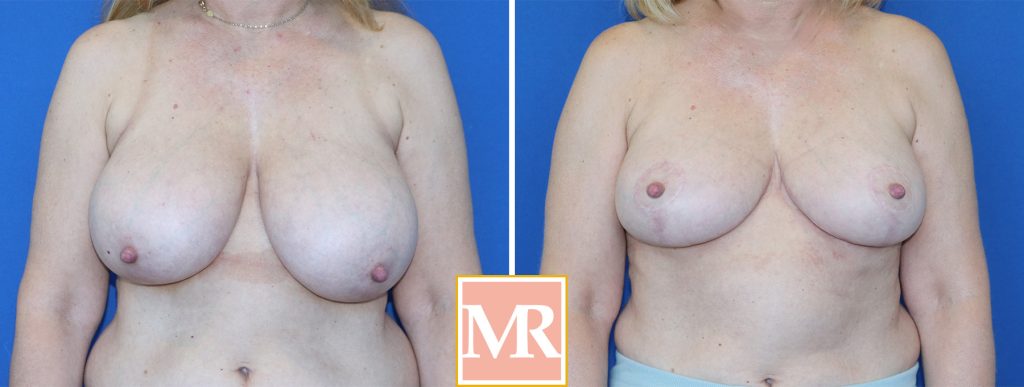
Reduction mammoplasty surgery, which is also referred to as breast reduction surgery, aims to decrease breast volume and weight.
This procedure involves the removal of excess fat, glandular tissue, and skin.
The goals of this surgical procedure include:
- Relieving symptoms
- Creating a balanced appearance
- Maintaining lactation capacity
- Allowing for future exams with minimal breast reduction scarring
Reducing breast size leads to significant improvements in physical comfort and overall quality of life.
Staying in touch with your surgeon after the procedure is essential for ongoing monitoring of surgical results and addressing any concerns.
The following subsections will provide detailed information about the pre-operative consultation, surgical steps, and post-operative care involved in breast reduction surgery.
Pre-Operative Consultation
The pre-operative consultation is a crucial step in preparing for breast reduction surgery.
During this consultation:
- The plastic surgeon assesses the patient’s physical health.
- The surgeon evaluates breast structure, tissue amount, skin elasticity, and any asymmetry.
- Patients discuss their concerns and expectations for the surgery.
- The surgeon provides a clear understanding of achievable results.
The consultation aims to ensure that patients feel informed, supported, and ready for the next steps.
This is a valuable opportunity for patients to discuss their needs and suitability for reduction mammoplasty with an experienced plastic surgeon.
The surgeon will create a personalized surgical plan tailored to the patient’s unique body structure and goals in plastic surgery.
Setting up a consultation is the first step for anyone considering breast reduction surgery.
This initial meeting provides a comprehensive overview of the procedure and helps patients make informed decisions about their health and well-being.
Surgical Steps
Breast reduction surgery is performed under general anesthesia to ensure patient comfort.
The procedure may utilize different incision patterns based on the desired outcome and the surgeon’s techniques.
Traditional reduction mammoplasty involves an open incision around the areola extending downward to the crease beneath the breast, and then along the crease of the breast.
This allows for the removal of excess tissue as well as an elevation of the nipple-areolar complex.
In some cases, liposuction may be used to contour the sides of the breasts, providing a smoother and more natural result.
This utilizes small access incisions and suction cannulas to extract fat.
Post-Operative Care and Recovery
Post-operative care is a critical component of the breast reduction recovery process after breast reduction surgery.
Patients are advised to avoid strenuous activities and heavy lifting for a period to allow proper healing.
Regular follow-up appointments with a healthcare provider are essential for monitoring healing and ensuring optimal results.
Selecting the correct size and style of bra can significantly influence recovery and comfort after breast reduction surgery.
A properly fitted bra helps to support the healing tissues and minimizes strain on the incisions.
Patients should avoid upper-body exercises and heavy lifting during the recovery phase to prevent complications and promote proper healing.
Implementing regular follow-up appointments with a healthcare provider can enhance the long-term success of breast reduction results.
Adhering to post-operative care guidelines ensures a smooth recovery and maximizes the benefits of breast reduction surgery.
Long-Term Results and Maintenance
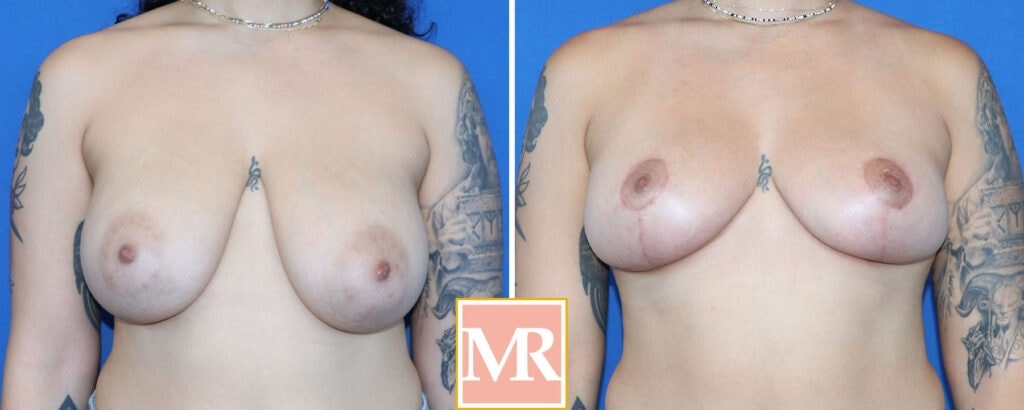
Maintaining long-term results after breast reduction surgery requires ongoing care and attention.
Stable weight management and selecting the right bras are crucial for preserving the results and ensuring lasting comfort.
Significant weight fluctuations can impact the size and shape of breasts after reduction surgery, making it essential to maintain a stable and healthy weight.
The following subsections will provide detailed information on weight management and choosing the right bras to support long-term results.
Weight Management
Consistent weight stability is essential to avoid altering the shape and size of breasts after reduction surgery.
Regular exercise and a balanced diet are key strategies for achieving stable weight post-surgery.
Incorporating a balanced diet and regular physical activity is essential for achieving and maintaining a healthy weight after surgery.
Adopting a healthy lifestyle helps maintain consistent and satisfactory breast reduction results over the long term.
Choosing the Right Bras
Wearing a supportive bra is essential after breast reduction surgery to prevent strain on breast tissue and incisions.
Selecting a properly fitted bra is crucial for supporting breast shape and minimizing skin strain.
Opting for properly fitted bras can significantly aid in retaining the results of breast reduction surgery.
After surgery, patients should invest in high-quality, supportive bras that provide adequate support and comfort.
These bras help to maintain the new breast shape and prevent any undue strain on the healing tissues.
Choosing the right bras enhances recovery and supports long-term benefits of breast reduction surgery.
These specific post-operative bras should be worn 24/7 for the first 6 weeks to 3 months.
After 6 weeks, patients may transition from a post-operative bra to a more traditional underwire or supportive bra.
A well fitting bra should be worn as much as possible (day and night) for the first 6 months to decrease strain and pulling on the scars.
Strain and pulling can cause the new and fragile scars to stretch out.
Furthermore, patients should consider wearing bras as much as possible, and even to bed at night, for the remainder of their lifetime.
The breasts will respond to gravity over time, and so the more external support provided by a bra, the longer the results of the breast reduction and lift will last.
Summary
Understanding the breast reduction size chart and the Schnur Sliding Scale is essential for anyone considering breast reduction surgery.
These tools help to determine the appropriate amount of breast tissue to be removed, ensuring that the procedure meets both medical and cosmetic requirements.
By accurately measuring body surface area and calculating the required tissue removal, patients and surgeons can plan the surgery more effectively.
Factors such as physical symptoms, medical history, and insurance coverage play a significant role in determining eligibility for breast reduction surgery.
Thorough documentation and a clear understanding of insurance policies can help secure coverage for medically necessary procedures.
The breast reduction procedure itself involves several steps, from pre-operative consultation to post-operative care, all aimed at achieving optimal results and improving quality of life.
In conclusion, breast reduction surgery can be a life-changing procedure for those struggling with excessively large breasts.
By understanding the size chart, Schnur Sliding Scale, and related factors, patients can make informed decisions and achieve the best possible outcomes, like going from a size d to a size b.
Embrace the journey towards physical and emotional well-being, and take the first step towards a more comfortable and confident life.
Book Your Appointment with Dr. Rovelo Today
Frequently Asked Questions
What is the purpose of the breast reduction size chart?
The breast reduction size chart is intended to guide the surgical process by identifying the appropriate volume of breast tissue to remove, thus aligning medical needs with aesthetic goals.
How does the Schnur Sliding Scale work in breast reduction surgery?
The Schnur Sliding Scale effectively correlates a patient’s body surface area (BSA) to the recommended volume of breast tissue for removal, thereby assisting in evaluating the medical necessity for breast reduction surgery. This tool ensures a tailored surgical approach based on individual needs. It is important to note that while this number is a requirement for an insurance based approach, it is more of a recommendation for a non-insurance covered breast reduction. When insurance is not covering the procedure, the surgeon and patient have more flexibility in determining how much breast tissue to be removed, thereby customizing the final size and result.
What factors influence eligibility for breast reduction surgery?
Eligibility for breast reduction surgery is primarily influenced by the presence of physical symptoms, a patient’s medical history, and overall health, with the Schnur Sliding Scale serving as a key evaluation tool. These factors collectively determine if a patient qualifies for the procedure.
How can patients secure insurance coverage for breast reduction surgery?
Patients can secure insurance coverage for breast reduction surgery by documenting physical symptoms associated with breast size and thoroughly reviewing their insurance policies. Providing records from healthcare providers can effectively demonstrate the medical necessity of the procedure.
What is the recovery process like after breast reduction surgery?
Recovery after breast reduction surgery requires avoiding strenuous activities and heavy lifting, attending follow-up appointments, and wearing a supportive bra to promote healing and comfort. Adhering to these guidelines will aid in a smoother recovery.
